
INDEPENDENT PEST INFORMATION
Silverfish concerns in Shrewsbury homes
Repeated sightings of a small, fast-moving insect can be unsettling. Record the actual pattern and ask about both identification and the conditions in the affected part of the property.
Independent information and enquiry website operated by Stephen Meredith. We do not carry out pest-control inspections or treatments.
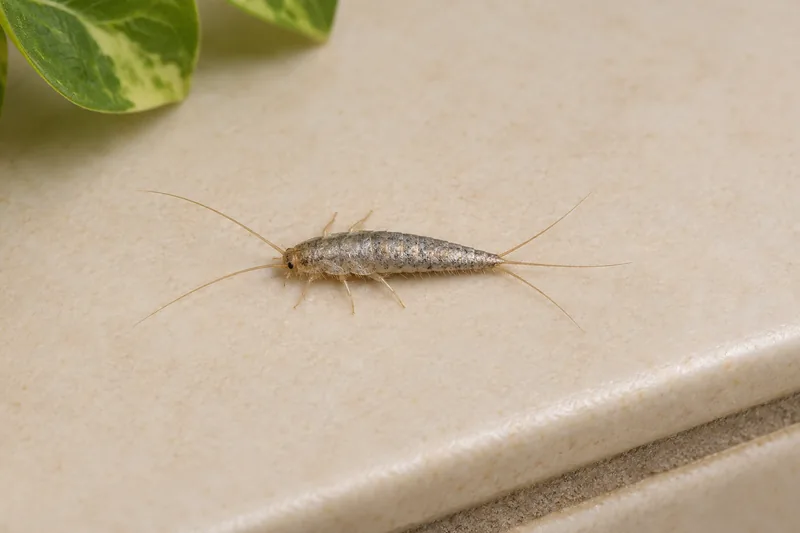
What can help describe suspected silverfish?
BPCA describes common silverfish as wingless, silver-grey insects with a tapered body and three long bristles at the rear. They are often associated with damp kitchens and bathrooms. These broad features can help you explain a sighting, but a brief description or photograph does not reliably distinguish every similar insect.
Record the room, date and approximate location of each sighting. Say whether the insect was seen moving, found trapped in a basin or discovered while ordinary cleaning was taking place. A safely taken photograph with a familiar object nearby for scale may help a professional discuss what information is still needed.
Look at the pattern across the property
Repeated sightings in one cupboard are a different brief from occasional insects in several rooms. Write down which spaces are affected and whether the frequency is increasing, falling or unclear. Include the approximate time of day if there is a recognisable pattern, rather than trying to inspect hidden voids.
Mention relevant changes such as a recent move, extended vacancy, new storage or known building repairs. If paper or belongings appear damaged, describe the location and material without attributing the damage to an insect you have not identified. Keep photographs and earlier visit notes available for the appointed assessor.
Discuss property conditions as well as insect activity
BPCA and Oxford City Council both explain the relevance of persistent damp conditions to common silverfish concerns. Tell the professional about already known condensation, leaks or repairs. A pest enquiry does not establish the cause of moisture, and a building concern may require a different trade or a separate inspection.
Ask what the pest assessment will examine and whether it includes advice on conditions that could support activity. Establish who is responsible for investigating any suspected defect. If a damp survey or plumbing visit is recommended, obtain its own scope and price rather than assuming it is part of a pest quotation.
What should an assessment proposal explain?
Ask how the insects will be identified, which accessible areas are included and how the extent of activity will be assessed. Find out what evidence will be recorded and whether monitoring or a later review is proposed. A clear starting record makes it easier to discuss whether subsequent observations represent a change.
Tell the contractor about awkward cupboards, fitted furniture, occupied rooms and shared access. Do not remove fixtures, lift floor finishes or dismantle plumbing to prepare for an unspecified visit. Request written preparation instructions for the actual appointment and explain any task you cannot safely complete.
Compare a complete scope
A useful quotation separates identification, any proposed treatment, property advice and follow-up. Ask what is included in the total, what further work could cost and how additional visits are agreed. Check whether recommendations involve a landlord, building manager or another contractor before accepting responsibility for alterations.
Ask what observations should be recorded afterwards, when to report continuing sightings and whether the quoted follow-up has a time limit. Keep practical aftercare instructions from the appointed professional with the visit record. Avoid judging a proposal solely by the product name or the length of the first visit.
Does seeing silverfish prove there is a leak?
A sighting alone cannot identify a plumbing defect. Common silverfish are associated with damp conditions, so report any already known moisture concerns and ask what investigation is appropriate. The insect identification and the cause of a building condition are separate questions.
Should I empty every cupboard before an assessment?
Ask which areas need to be accessible before you start moving belongings. Tell the contractor where sightings occurred and request preparation instructions for the actual visit. Explain any fitted storage or heavy items that you cannot safely move yourself.
Information to include in your enquiry
- The property postcode and rooms where insects have been seen.
- How long the pattern has continued and whether identification is confirmed.
- Known moisture or repair concerns, described as observations.
- Questions about access, assessment, building advice and follow-up.
This independent website is operated by Stephen Meredith. Your message is stored for operator review and any proposed next step is discussed separately. The form does not appoint a contractor or confirm a visit. Agreement is requested before any proposed sharing of contact details.