
INDEPENDENT PEST INFORMATION
Carpet beetle concerns in Shrewsbury
A small beetle on a windowsill, a hairy larva or unexplained damage to a natural-fibre item may prompt different questions. Record each observation separately. A useful assessment establishes what is present, whether it relates to any damage and which parts of the property need attention.
Independent information and enquiry website operated by Stephen Meredith. We do not carry out pest-control inspections or treatments.
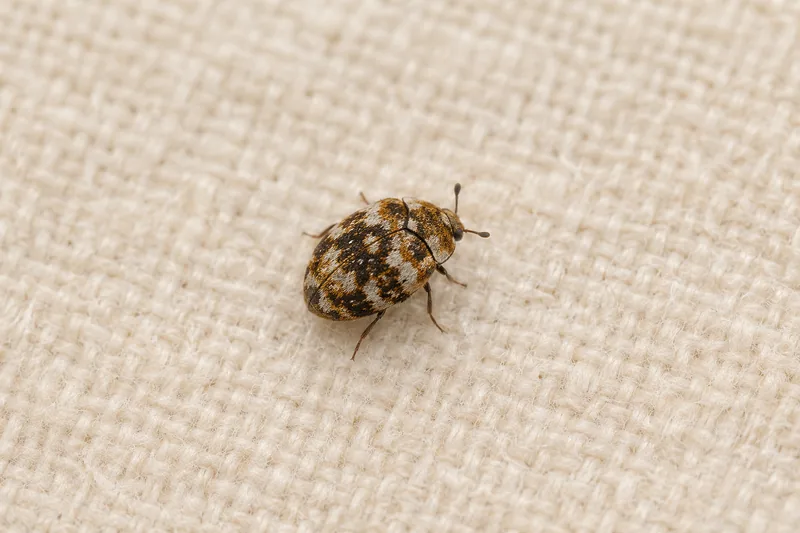
Separate the insect sighting from the damage
Describe where an insect or suspected larva was seen, its approximate size and whether sightings have repeated. If a photo can be taken from a normal safe position, include a clear view when discussing the concern with a professional. Do not disturb unknown material or enter a difficult roof space to gather more evidence.
For damage, note the item, material and date first noticed. “A small beetle at the bedroom window” and “a new hole in a wool rug” are two observations. They may need considering together, but the location and timing should be recorded before assuming the insect caused that damage.
Carpet beetles can affect more than carpets
The Natural History Museum identifies several UK carpet beetles and explains that their larvae can feed on natural materials including wool, silk, fur and feathers. The name therefore does not limit the assessment to fitted carpet. Relevant observations may involve stored garments, upholstery or collections as well as floor coverings.
National Museums Scotland also describes shed larval skins among the evidence that can accompany activity. These details can help explain what prompted the concern, but a general online image is not enough to reliably separate every species or life stage. Ask what identification is included in the proposed visit.
Compare moth and beetle questions carefully
Clothes moths are another possible explanation for natural-fibre damage. An assessor may look at the insect, associated material and the pattern of observations rather than relying on a single hole in fabric. If you have already received a tentative identification, say who suggested it and whether it was based on a photo or a visit.
There is no need to buy a moth-specific product or choose a treatment label before understanding the finding. The question to ask is how the professional will identify the concern and explain the scope. Keep photographs of insects and photographs of damaged objects clearly labelled so unrelated observations are not accidentally combined.
Give an inspection brief for the actual rooms
List affected or suspect items and explain how the rooms are used. Record whether textiles are in everyday use, in storage or part of a display. Mention recent moves, room changes and earlier inspection advice as context, without treating them as a confirmed cause.
Tell the assessor about fixed furniture, fragile belongings and areas you cannot access safely. If an inspection might extend towards a roof or suspected bird activity, ask who is competent to assess that and what checks apply. Leave wildlife and inaccessible building spaces for appropriate professional advice rather than disturbing them to test a theory.
Protect the value of delicate materials
Describe care labels and material composition where known, particularly for expensive rugs, antique upholstery or sentimental items. Ask whether a conservator or specialist cleaner should advise before any process is agreed. A pest assessment and the restoration of a damaged object may require different professionals and separate prices.
Request preparation instructions covering movement, cleaning and handling of belongings. Tell the contractor what has already been done and keep a dated note of subsequent changes. A consistent record helps separate fresh observations from older damage, making follow-up discussions more precise.
Check identification, coverage and follow-up costs
- Will the first visit identify the insect and assess the link to reported damage?
- Which rooms, stored items or collection areas are included?
- Who handles moving belongings, specialist cleaning and any building access?
- What records, monitoring and return visits form part of the proposal?
- How is additional activity reviewed and what could incur another charge?
Ask for the total price and written exclusions. An assessment of one damaged rug is a different scope from a whole-property investigation, so give each contractor the same description when comparing quotations.
Can carpet beetles affect clothes as well as carpets?
Yes. Their larvae can damage natural-fibre belongings, including woollen textiles. Tell the assessor which items and storage areas are involved rather than limiting the enquiry to the carpet. Material composition helps explain the concern.
Does an adult beetle at a window mean my carpet is damaged?
The sighting alone cannot establish damage or its cause. Record adult sightings separately from larvae, shed skins and changes to fabrics, then ask the assessor how those observations relate. A photograph may assist the conversation without settling the diagnosis.
Use the enquiry form to explain the uncertainty
Stephen Meredith reviews enquiries to this independent website. Send the postcode, observations and the questions you want to resolve. The form does not book a visit or provide a diagnosis. Any proposed introduction and sharing of details need agreement, while a professional confirms their own assessment and terms separately.